
How to Find Underground Music in Tokyo: The Ultimate Local’s Guide to Hidden Venues, Record Stores & Subcultures
If you’ve ever wandered through the glowing chaos of Tokyo, your ears have probably been assaulted (in the best way) by a tsunami of sound. Tokyo doesn’t just have a music scene, it has several hundred of them, all stacked on top of each other like a GiGo tower made of neon, eyeliner, and sugar.
Why Dive into Tokyo’s Underground Music Scene?
Tokyo’s music world goes far beyond J-pop mega-acts and arena rock. Beneath the surface, the city is bursting with independent artists, DIY venues, niche subcultures, and rare vinyl that tourists NEVER find. Whether you’re a hardcore crate-digger or just looking for a truly unique night out, the underground offers an authentic, raw energy unlike anywhere else.
How Traditional Japanese Aesthetics Shape Underground Sound
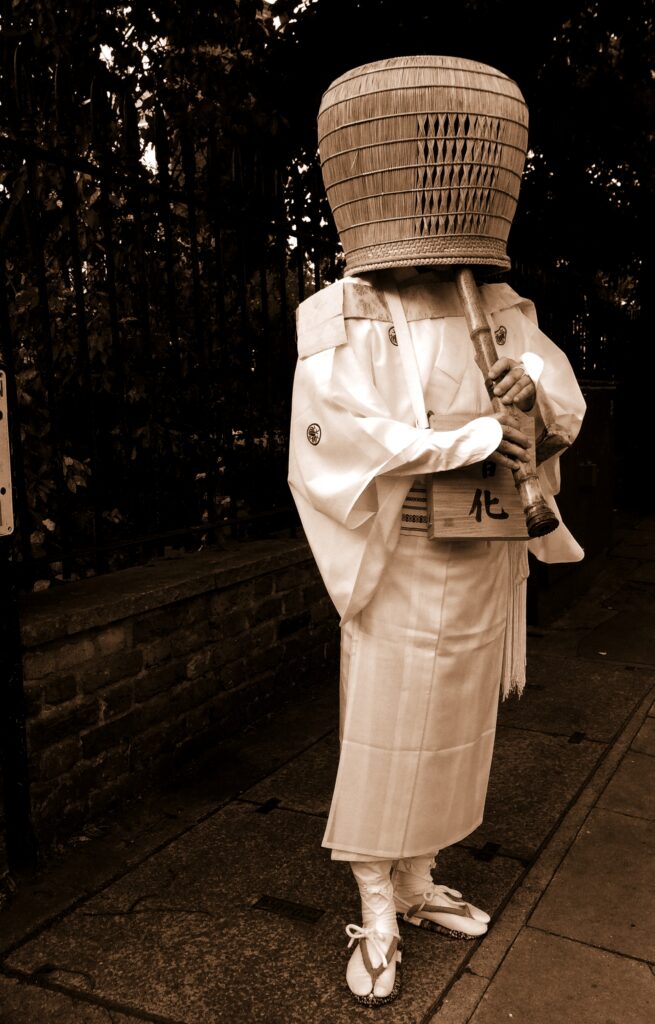
The vibrant energy of Tokyo’s underground music scene often masks a deep connection to traditional Japanese aesthetics. Elements like the concept of Ma (間), or negative space, are crucial, especially in experimental, ambient, or noise genres, where silence and carefully placed sonic gaps create tension and structure the sound, drawing from traditional Zen practices with the meditative shakuhachi flute. Furthermore, the unique textures of these traditional instruments sometimes influence modern sound design; for instance, the distinctive noisy timbre known as Sawari (触り) (a subtle, vibrating sound quality often heard on the shamisen or biwa) is echoed in the use of high-frequency distortion, feedback, and drone in contemporary Japanese punk, noise, and doujin music, adding a distinctly rough, almost tactile quality to even the most modern electronic and rock compositions.
Best Neighborhoods for Tokyo Underground Music Exploration
If you’re wondering where to find underground music in Tokyo, start your journey in these key districts, each with its own distinct flavor:
- Koenji (Punk & Garage Rock Capital): Known as the heart of Tokyo’s counter-culture. This district is famous for its gritty live houses, vintage clothing stores, and cheap, delicious eateries. Expect DIY energy, classic punk, hardcore, and garage rock.
- Hot Spot: Check out Earthdom for intense metal, grindcore, and punk shows. Be ready for mosh pits and migraines (in a good way!).
- Shimokitazawa (Indie Rock & Bohemian Vibe): A hip, bohemian haven where every coffee shop doubles as a record label. This area is known for indie rock, folk, acoustic acts, and cozy basement bars. It’s the perfect place to accidentally discover the next big thing while ordering a soy matcha latte.
- Hot Spots: Hit up Shelter or Garage for intimate shows in a classic basement setting. Also explore the area’s legendary used record shops.
- Kichijoji (Jazz & Experimental): Located just west of Shinjuku, this area is great for experimental jazz, ambient shows, and intimate venues with a quieter, more artistic atmosphere.
- Hot Spots: Go to Sometime (a classic jazz café that hosts live sets) or Bar Isshee if you prefer your shows with sake and a spiritual, improvisational air.
- Nakano (Subculture & Doujin Music): More eclectic and subculture-heavy, with direct access to the world of doujin music (independently published music associated with comic cons and fan culture) and underground anime scenes clustered around the Nakano Broadway shopping complex.
Essential Tokyo Live Houses (The Loud, Sweaty Basements)
“Live houses” are Japan’s version of underground music venues- tiny, loud, sweaty, and often hidden in a basement or on a nondescript upper floor.
| Venue | Neighborhood | Genre Focus | Insider Detail |
| Shinjuku LOFT | Shinjuku | Punk, Rock, Idol | A respected historic venue that hosts legendary punk acts and often features idols with a grittier edge. |
| Ochiai Soup | Shinjuku/Ochiai | Ambient, Noise, Experimental | Looks like a concrete bunker but is a crucial hub for avant-garde music. |
| Club Goodman | Akihabara | Math Rock, Prog, Avant-Garde | A well-established venue known for technically demanding and complex bands. |
| Forestlimit | Hatagaya | Techno, Noise, Visual Art | An infamous experimental space that blends visual art with sound, helping you disassociate with everyday life. |
Pro Tip: If Google Maps leads you to a sketchy, unmarked stairwell or an elevator next to a laundromat, that is the venue. Trust the vibe.
Pro Tip: If Google Maps leads you to a sketchy, unmarked stairwell or an elevator next to a laundromat, that is the venue. Trust the vibe.
Tokyo’s Neon Underground: Idols, Anime, and Raves
You thought “underground” meant only guitars and garage shows? Cute. Tokyo has other rabbit holes, too, heavily influenced by its massive pop and otaku culture.
Understanding Vocaloid and Hatsune Miku
To understand the energy of an Anisong rave, you need to know about the digital star at its heart:
What is Vocaloid? Vocaloid is not an artist; it’s a singing voice synthesizer software developed by Yamaha. Users can input melody and lyrics, and the program will generate vocals. It’s like a digital instrument where the singer’s voice is the soundbank. A “Vocaloid” is technically the voice itself, sold as a software package. You can actually create your own Vocaloid soundbank with your own voice! It may take a year (or 3 months if you’re a nerd like me), but by individually recording all of the different vowels, consonants, and necessary combinations (about 1,500 per pitch) you can program a computer to sing for you.
Who is Hatsune Miku? Hatsune Miku (初音ミク) is the most famous and recognizable Vocaloid character. She is represented as a 16-year-old girl with iconic long, turquoise twin-tails. Miku is not just software- she’s a collaborative global phenomenon. Thousands of independent musicians (Producers) use her voice to create original songs (from hyper-pop to heavy rock). Her fame has led to:
- Crowd-Sourced Creativity: Her entire musical catalog is created by her fans and the producer community.
- Holographic Concerts: She performs at sold-out arenas worldwide as a 3D projection on a transparent screen, backed by a live, human band.
Vocaloid & Anisong Raves
So where can you partake in the vocaloid and anime music scene? Why, none other than the anime capital of Tokyo: Akihabara.


- Mogra (Akihabara): This club hosts legendary Anime Song (Anisong) and Vocaloid DJ nights that will make you cry to a Hatsune Miku trance remix at 3 a.m. The energy is pure, unadulterated fan euphoria.
- Doujin Music: For recorded music of independently published artists, visit Nakano Broadway or dedicated music shops like Melonbooks and Toranoana.
Indie & Alt-Idol Scenes (The Ones Who Scream)
- Indie & Alt-Idols: These groups have smaller, fiercely dedicated cult fanbases. They often mix traditional J-Pop cute outfits with punk rock energy, screaming, and chaotic stage presence.
- Venues: Akiba Cultures Theater and TwinBox Akihabara are key locations for traditional and alt-idol shows. So whether you want to see international artists like AKB48 or more local sensations like BiS, these two venues will get you there.
- How to Find Shows: In addition to good ol’ trusty Google, search the #地下アイドル (Chika Idol / Underground Idol) hashtag on Twitter/X for last-minute announcements and surprise gigs.
Pro Tips & Survival Guide for the Underground
The time has come! You’ve pumped yourself up to go down the rabbit hole and find some underground music- but before you go, know the etiquette so you don’t get stranded at 2 AM!
| Vibe | Insider Tip | Details |
| Schedules & Planning | Check Schedules In Advance | Small live houses rarely have fixed schedules. Use local gig boards and the artist’s Twitter/X to find lineups and ticket sale information. |
| Transportation | Beware the Midnight Cutoff | Most Tokyo public transport ends sharply at midnight and doesn’t restart until 4:00 AM. |
| Show Timing | Know Your Show Type | Day Shows (5 PM – 11 PM) allow you to catch the last train. Night Shows (BEGIN at 11 PM!- not for the faint of heart) mean you must commit to staying out until dawn. Luckily for Americans, 11PM will feel like a nice time to start the day. So, don’t wave away the jetlag just yet! |
| Money | Cash is King (and Carry Change) | Many underground venues are strictly cash-only for door tickets, merchandise, and the drink charge. Always carry ¥1,000 notes and ¥500 coins. |
| Entry & Seating | Go Early / Arrive Early | For standing-room shows, arrive early to pay the drink fee and use the nearest coin locker. This lets you grab a spot before the venue gets completely packed. |
| Hydration | Water is Priceless | Small venues get extremely hot, and bottled water can sell out or be overpriced. Bring an extra bottle of water with you. |
| The Drink Fee | It’s Mandatory Cash | Expect a non-negotiable ¥500–¥700 drink charge at the door of virtually all live houses. You must pay this fee, even if you don’t redeem the drink voucher. |
| Vibe Check | Language ≠ Barrier | Even if you don’t speak Japanese, don’t worry. The crowds are generally friendly, and the music, visuals, and communal fandom energy are universal. |
| ————-> | DON’T FORGET THE EARPLUGS!! |
Time to Tackle Tokyo!
You now possess the forbidden knowledge-the keys to Tokyo’s musical underworld! Embrace your destiny as a well-hydrated, cash-carrying culture warrior. Just remember the most sacred of rules: Never take a flash photo of a screaming idol, always have enough ¥500 coins for the mandatory drink fee, and if the last train is gone, accept your fate. You’re now committed to a spiritual journey of noise until 4 AM.
Go forth, find that tiny basement door to Narnia, and discover the sound that only exists in the beautiful, vibrant heart of Tokyo!