
Journey overview
Trace Brazil’s music from Rio de Janeiro to Salvador
Brazil’s music carries history. This nine-day journey is for travelers who want to understand how rhythm, religion, and community intersect across Afro-Brazilian regions.
Time is divided between Rio de Janeiro, where samba developed in the neighborhoods of Little Africa, and Salvador da Bahia, a spiritual center of candomblé and home to samba de roda, axé, and generations of African cultural preservation. Travelers join rehearsals, participate in workshops with working musicians, and walk through the communities that sustain these traditions.
The journey is suited to percussionists seeking technical knowledge, families looking for educational depth, and travelers interested in the African diaspora’s influence on Latin American music.
Why travelers choose this journey
- Sit in on samba school rehearsals and join percussion workshops with local musicians
- Walk through Little Africa and visit the Museum of Samba and Carnival preparation spaces
- Explore candomblé’s influence on music through Salvador’s communities and cultural centers
- Experience live samba, Latin jazz, Afro-Brazilian performance, and regional cuisine
Trip plan
What you’ll experience
Rio’s samba roots
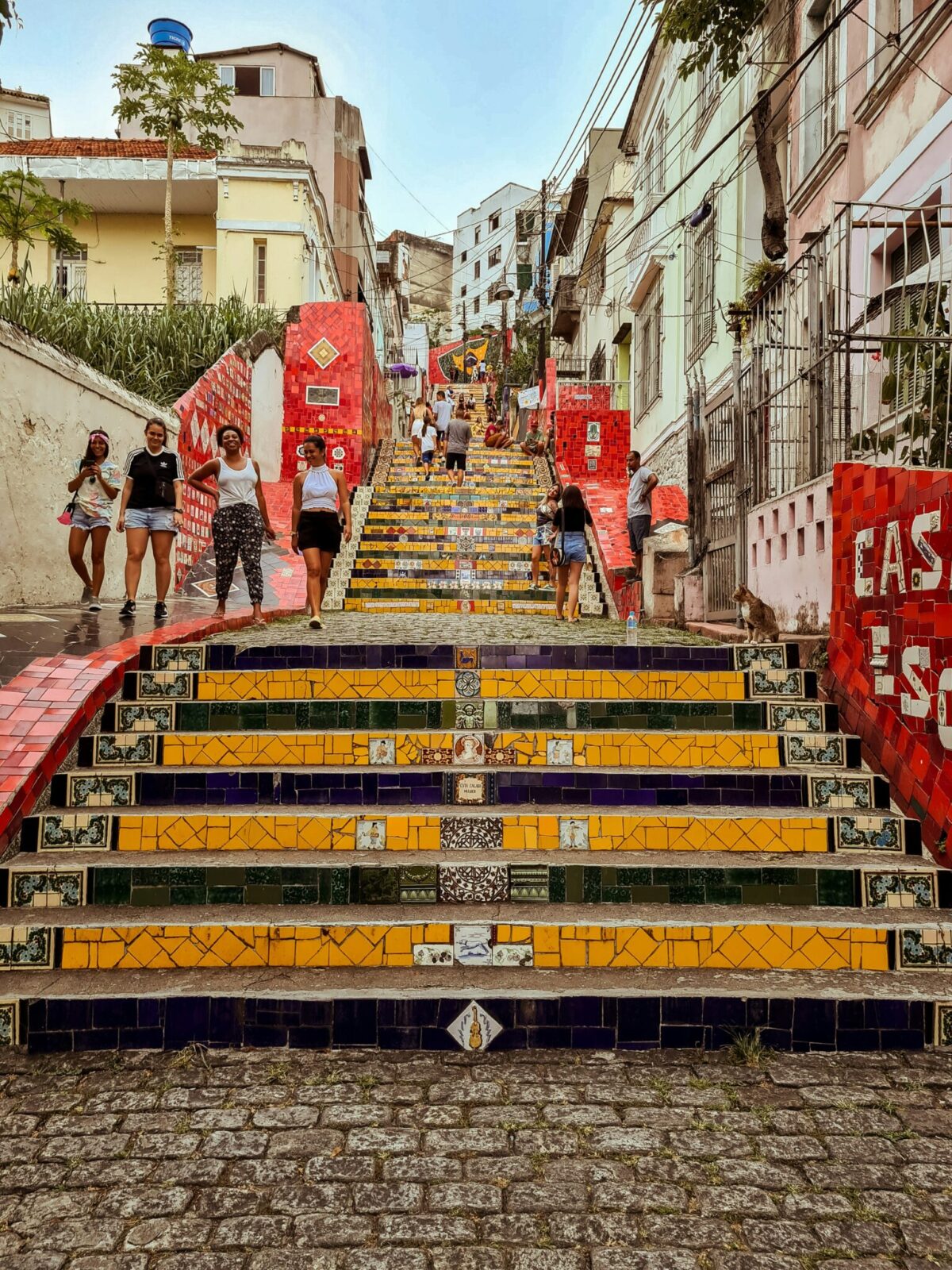
Explore Little Africa, community rehearsal spaces, the Museum of Samba, and the places where Rio’s musical identity developed.
Workshops, live music, and Rio landmarks
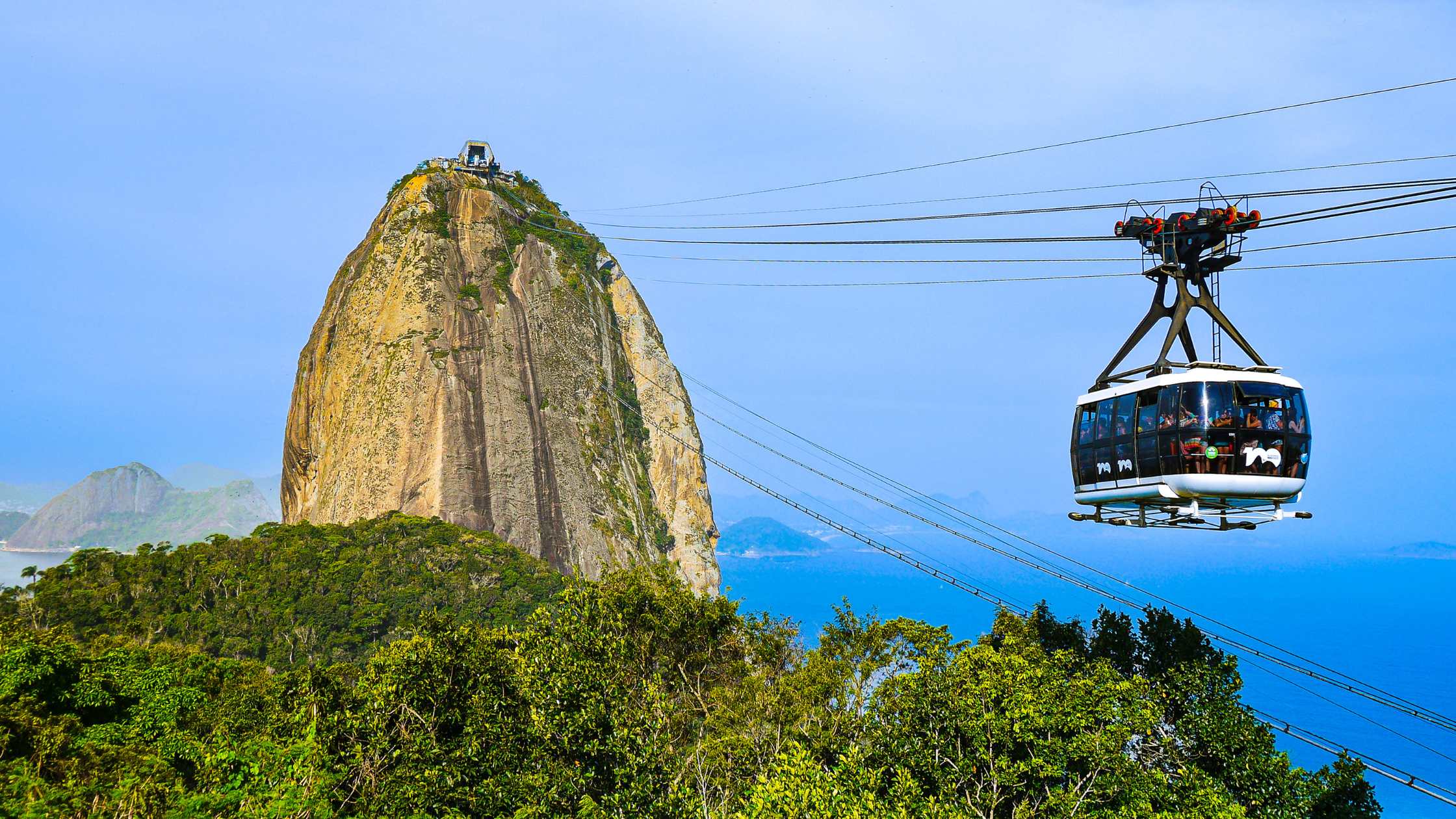
Join percussion workshops, experience roda de samba and club performances, and visit Christ the Redeemer and Sugarloaf Mountain in their cultural context.
Salvador’s Afro-Brazilian traditions
Explore candomblé’s influence on samba de roda, axé, drumming, dance, and community ceremony with local cultural hosts.
Bahian performance and food culture
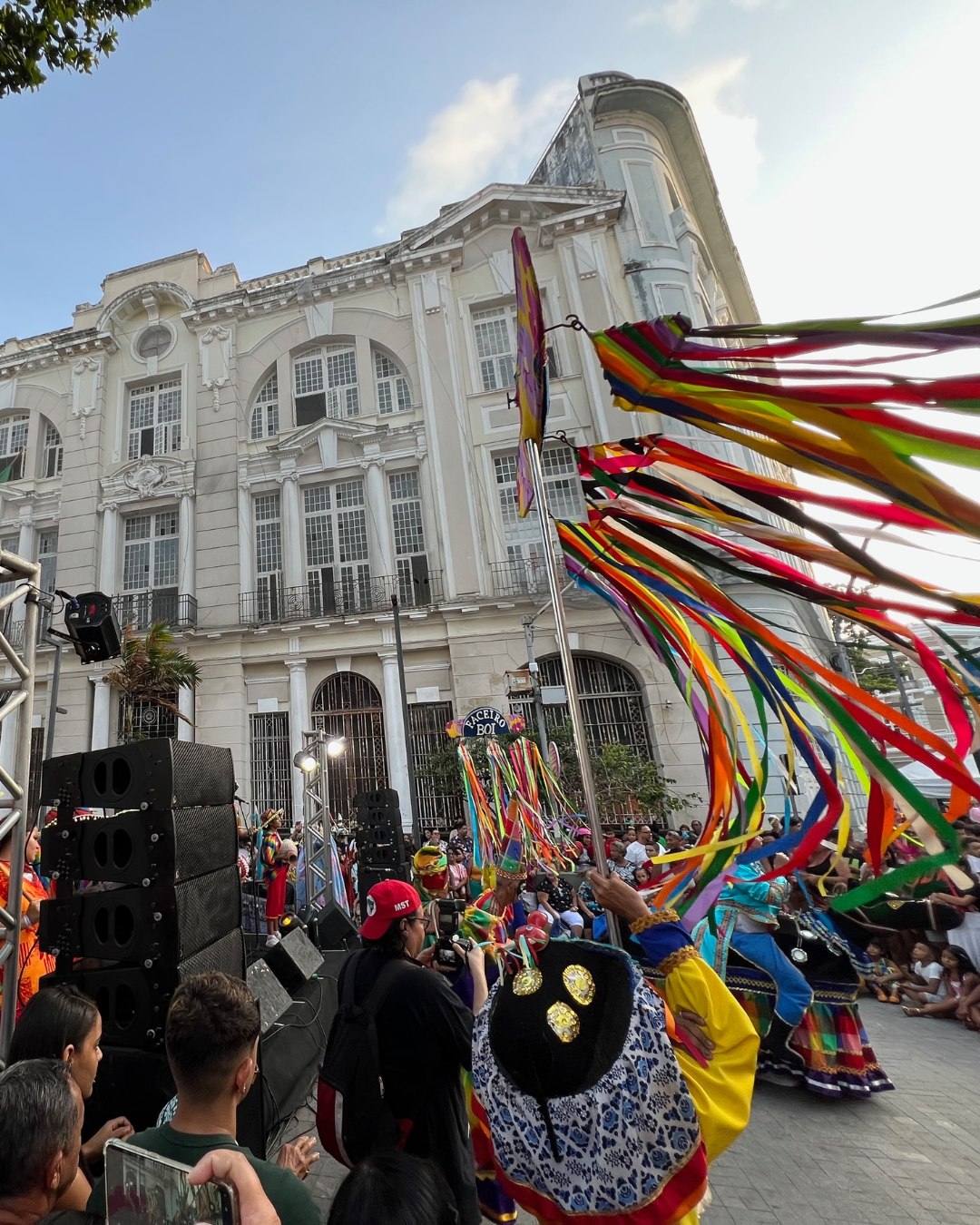
Experience Pelourinho, Balé Folclórico da Bahia, regional meals, and neighborhoods where music remains part of daily life.
What’s covered
Included in the trip
- Eight nights accommodation in Rio and Salvador
- Internal flights between cities
- Airport and city transfers
- Daily breakfast
- Four curated meals highlighting regional Afro-Brazilian cuisine
- Samba school rehearsals
- Percussion workshops with local musicians
- Museum of Samba visit
- Carnival workshop with costume tryouts
- Little Africa walking tour and Afro-Brazilian museum
- Salvador cultural tour exploring candomblé traditions
- Balé Folclórico da Bahia performance
- Christ the Redeemer and Sugarloaf Mountain visits
- Musician guide and local cultural hosts
Plan separately
Not included in the trip
- International flights
- Meals not listed
- Travel insurance
- Tips and personal expenses
- Optional excursions
Before you travel
Trip details
Accommodation
Eight nights of accommodation split between Rio de Janeiro and Salvador
Meet your host

Hosted by
Daniela Materano
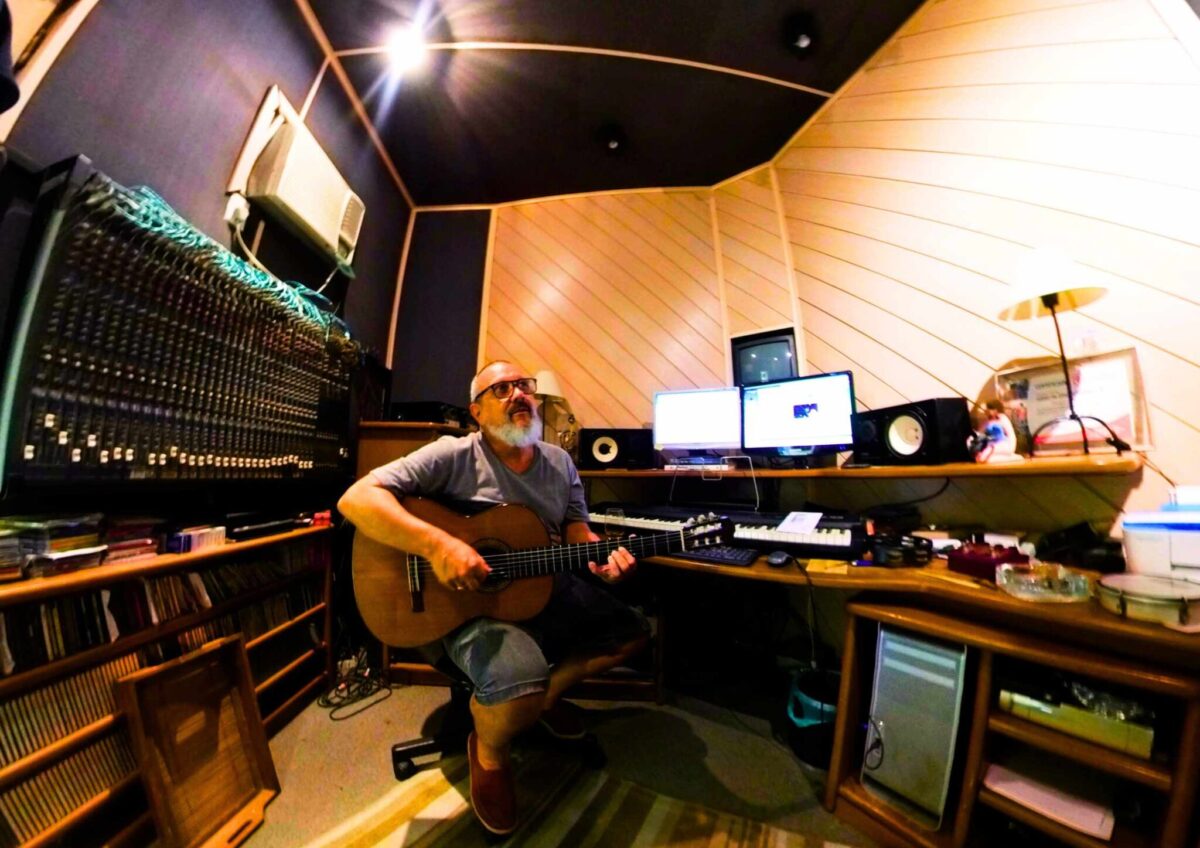
Music Experiences host
Your host will share local knowledge, practical guidance, and the stories behind this music experience.
Video
FAQ
Is this tour suitable for families?
Yes. Families seeking educational cultural depth will find this tour rewarding. The pace is thoughtful, workshops can be adapted for different skill levels, and content provides context that enriches understanding for all ages.
What is the physical activity level?
Moderate. Daily walking through historic neighborhoods including Rio's hills and Salvador's cobblestone streets in Pelourinho. Standing during samba school rehearsals and street performances. Participation in percussion workshops. Expect approximately 3-5 miles of walking per day. Late-night music events are optional.
Do I need to speak Portuguese?
No. Guides are bilingual and provide cultural context and translation throughout. Learning a few basic phrases enhances the experience but isn't required.
What about percussion workshops — do I need experience?
No prior experience necessary. Workshops are led by professional musicians who work with all skill levels, from complete beginners to advanced players. The focus is on understanding the cultural context alongside the technical instruction.
What makes this different from other Brazil tours?
This tour is led by musicians for people who want to understand the music, not just hear it. We focus on the communities that sustain these traditions—rehearsal spaces, cultural centers, neighborhoods where music is daily life—rather than tourist shows. The emphasis is on depth and cultural context over surface-level entertainment.
Similar experiences
Only guests who have booked can leave a review.
Added By Daniela Materano